

How to Stop Negative Self-Talk With Scripture.
How to Stop Negative Self-Talk With Scripture
The words you repeat to yourself matter. God invites you to bring them into the light of His truth.
You make a mistake, and the thought arrives immediately: I always mess things up. Someone seems disappointed, and your mind adds, I’m never enough. After a while, these sentences can sound so familiar that you barely notice you are saying them.
Sometimes there is something real to address. You may need to apologize, learn, or make a change. But a mistake is an event; it does not have the authority to tell the whole story of who you are.
If you want to learn how to stop negative self-talk with Scripture, begin by listening carefully to the words you use about yourself. What are they asking you to believe?
“There is now no condemnation for those who are in Christ Jesus.”
Romans 8:1Notice when a moment becomes an identity
Negative self-talk often turns one painful moment into a permanent name. I handled that badly becomes I am a failure. I still have room to grow becomes I will never change.
Scripture makes room for honest confession and growth. Romans 8:1 also reminds those who belong to Christ that condemnation is not where they must live. You can take responsibility for what happened without agreeing that you are beyond God’s grace.
That distinction may take practice. The harsh sentence may have been rehearsed for years. You can begin responding to it one moment at a time.
Answer the sentence you keep repeating
Replacing negative self-talk with Scripture does not mean choosing a pleasant sentence and pretending that everything is fine. It means asking what is true in light of God’s Word.
Read Romans 8:1 when shame tells you that you are condemned. Read Ephesians 2:10 when you need to remember that your life matters to God and that He has work for you to do. Read Philippians 4:8 when you want to ask whether the thought you are rehearsing is true and worthy of your attention.
Stay with the passage long enough to understand it in context. Then let its truth shape the next sentence you speak to yourself.
Pause and choose a truer sentence
The next time your inner voice turns harsh, try this:
- Write down the exact thought. Hearing its actual words helps you examine it.
- Ask what happened. Name the event without turning it into a verdict on your identity.
- Read a relevant passage. Look for what Scripture truly says, rather than using a verse as a quick slogan.
- Respond in prayer. Speak one honest sentence shaped by what you have read.
Return as often as you need to
The old words may come back tomorrow. Their return does not mean today’s prayer failed. When you notice them again, you have another opportunity to pause, bring them to Jesus, and practice what is true.
Sometimes that practice also includes talking with someone you trust. You do not have to work through a painful pattern alone.
God’s grace gives you room to be honest about where you are and hopeful about who you are becoming in Christ.
A prayer for the words I say to myself
Jesus, help me notice the words I repeat when I am disappointed in myself. Give me courage to take responsibility where I need to, and teach me to receive Your grace instead of living under condemnation. When an old sentence returns, guide me back to Your Word. Help me speak with honesty, humility, and hope. Amen.
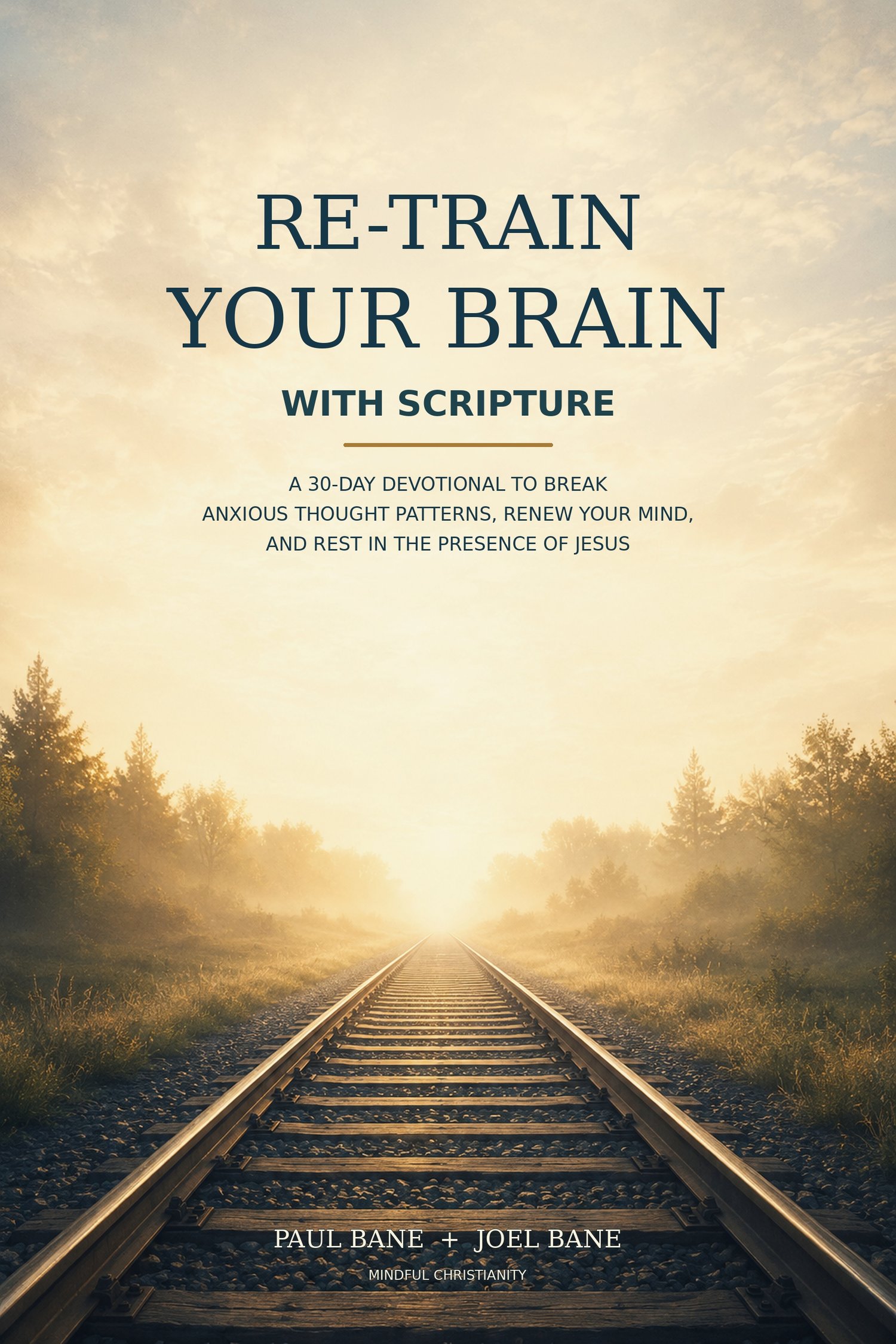
Re-Train Your Brain With Scripture
Our 30-day devotional offers Scripture, reflection, prayer, and space to notice recurring thought patterns and practice returning to what is true. You can move through it at your own pace.
Reflection question: What sentence do you most often say to yourself when you make a mistake, and what does Scripture invite you to remember?
Join the Mission
Help Paul and Joel continue sharing free Scripture-centered encouragement, music, and resources with people around the world.
Explore Mission PartnershipReceive the Free Weekly Devotional
Make space for Scripture, reflection, and encouragement delivered to your inbox each week.
Join the Weekly DevotionalGrace and peace,
Paul and Joel